
The Era of “Multisource” Energy
As public transport agencies and logistics companies accelerate their shift to electric vehicles, a critical challenge emerges that few anticOnly a decade ago, energy flow for a site was straight forward: equipements consumed what the grid provided. Today, a site manager must juggle a complex mix: rooftop photovoltaic (PV) panels, battery storage, electric vehicle (EV) fleets, and fluctuating grid tariffs.
This massive interconnection creates a gap. Traditional monitoring tells you what happened, but it is incapable of telling you what will happen. To stop being a victim of rising costs, organizations must move to the next level: Smart Control. Platforms like PcVue are already showing the way toward this transition, but before adopting the tool, one must master the strategy of anticipation.

The Surge of Operational Complexity
Why has it become so difficult to manage energy? The answer lies in three layers of complexity:
- – Source Hybridization: Coordinating local solar production with building demand and EV charging is a headache without a central “brain.”
- – Growing Dependencies: A decision on one system (e.g., HVAC) has an immediate impact on another (e.g., peak power demand from the grid leading to potential lack of power for other equipments).
- – Team Coordination: With systems becoming increasingly technical, the gap widens between raw data and the concrete action an operator must take on the ground.

The “Decision Gap”: A Major Pain Point for Operators
The primary obstacle to performance is not a lack of sensors; it is the decision delay.
- – Fragmented Data: When energy flows are siloed (BMS on one side, EV charging stations on the other), a global vision is impossible. Smart building management solutions enable centralized data flows for unified visibility.
- – Lack of Real-Time Insights: Receiving an alert after a consumption peak has been reached is useless. Teams need predictive visibility to smooth the load before critical thresholds are crossed.
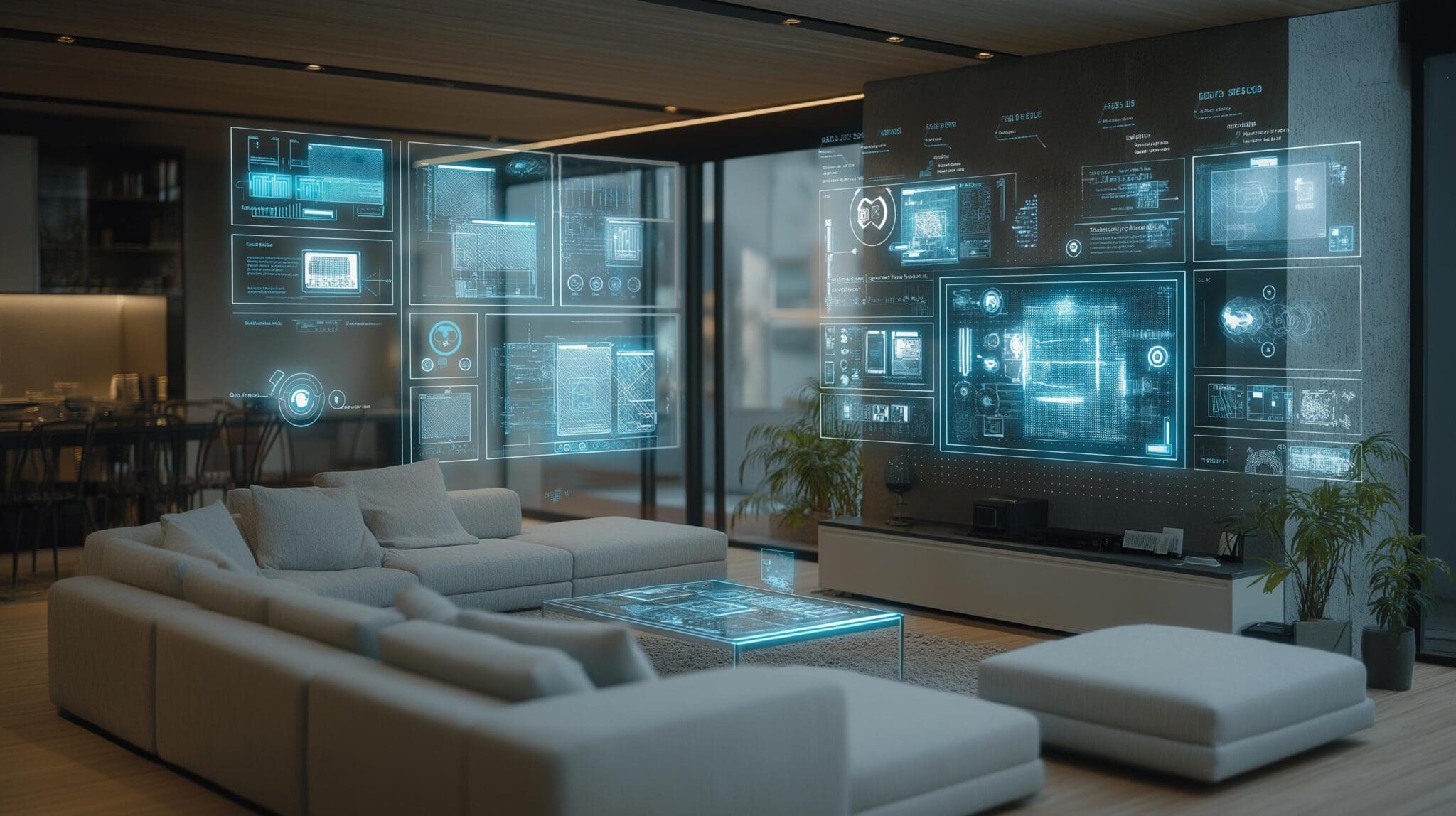
Reactive vs. Proactive Management: The Math is Simple
The difference between “enduring” and “driving” is measured directly on your utility bill:
- – Reactive Approach: You notice the inefficiency, you look for the cause, you repair it. Result: Constant overconsumption and premature equipment wear.
- – Proactive Approach (Smart Control): The system analyzes past behavior and external variables (weather, tariffs, occupancy) to anticipate needs. Modern SCADA platforms provide this anticipatory capability through predictive analytics.
Example: “Pre-cooling” a building gradually two hours before a heatwave peak, rather than pushing cooling units to 100% during the most expensive hour of the day.

Smart Control is Nothing Without a Solid Foundation
The shift to proactive management must not come at the expense of security or stability. A modern energy strategy relies on three invisible but vital pillars:
- – Cybersecurity as a Foundation: In a hyper-connected world, energy management is a target. Relying on solutions certified to the strictest standards (IEC 62443-4-1, NIS2 compliance) is no longer an option—it is a guarantee of service continuity.
- – System Longevity (Sustainability): The greatest waste is being forced to replace an entire system because it is “frozen” or obsolete. A system must be non-frozen, designed to evolve with innovations (new IoT connectors, EV chargers) without starting from scratch. Energy efficiency solutions must be designed to evolve with your needs.
- – Native Compliance: Anticipating regulations (such as the BACS Decree) from the design phase transforms a legal constraint into a long-term competitive advantage.

Anticipate to Stop Enduring
Energy complexity will not decrease. The only adjustable variable is your ability to make your systems smarter and more communicative. By placing anticipation at the heart of your strategy, you transform a cost constraint into a sustainable performance lever.
To know more:
Check out this article: PcVue integrates AI to drive building energy performance